Guides Parades 2026 Any time Updated 23 Aug 2026
London victory parades: how they work and where to stand
When a London club or an England team wins something, a parade follows within days. How it gets announced, the routes that get used, and how to actually see it.
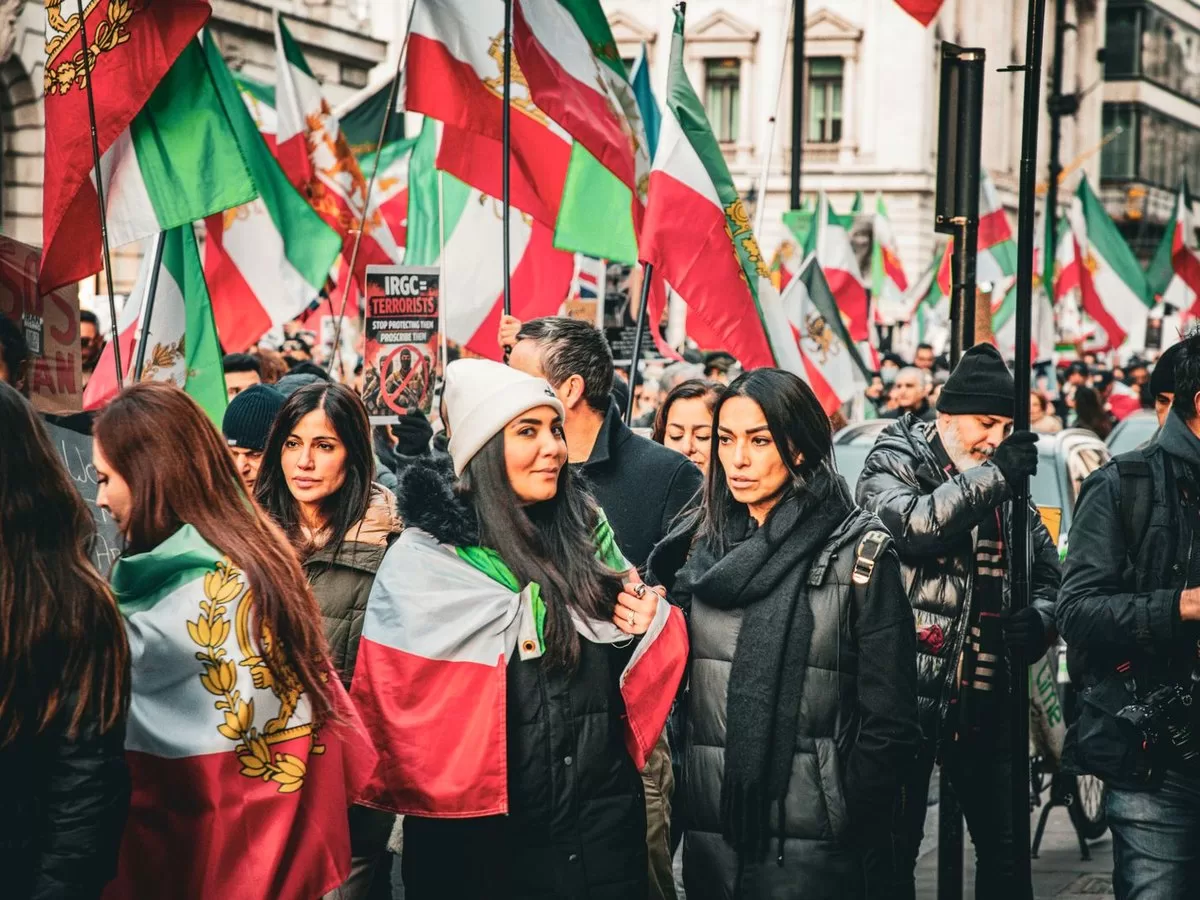
A trophy parade in London is organised faster than almost any other public event in the city, which is why nobody is ever ready for one. The pattern is consistent enough to plan around, so here it is.
The timing, which is always tighter than you expect
Parades are typically held within a few days of the win, and frequently on the first available weekend or the Monday after. The club or governing body announces it, and the confirmed route and timings usually land 24 to 72 hours beforehand, not before.
That is the thing to plan around: do not wait for the full details to decide whether you are going, because by the time they are published the good positions are already spoken for.
Where the announcement actually comes from
Three sources, in order of reliability. The club or team’s own channels confirm the fact and the broad plan. The local council publishes the road closures, which is usually the first place the exact route appears. Transport for London publishes station changes, which tells you which stops will be exit-only or shut.
The council road-closure notice is the underrated one. It is a legal requirement, it goes up before the marketing does, and it contains the actual route street by street.
The routes that get used
Club parades stay local. An open-top bus runs through the club’s own borough, typically from a landmark near the ground to a civic building or park where the team appears on a stage. That means Islington and Highbury for Arsenal, and the equivalent home district for any other London club.
National team celebrations go central. The Mall and Trafalgar Square are the traditional setting for England teams, because they hold enormous numbers and the road is already built for processions.
How to actually see it
Go to the middle of the route, not the end. Everyone converges on the stage or finish point, which is where the crowd is deepest and where you will see the least. A stretch halfway along gets you the bus at walking pace with room to stand.
Arrive at least two hours early for a front row anywhere on the route, and three for a corner, where the bus slows.
Pick the outside of a bend. The bus is travelling slowly and turning, so you get considerably longer with it in front of you than on a straight.
Height beats proximity. A step, a wall or a slight rise is worth more than being three rows further forward.
The practical warnings
Phone signal will fail. Hundreds of thousands of people in a few streets overwhelms the network. Agree a meeting point and a time before you set off, because you will not be able to call anyone.
Stations near the route close. Expect exit-only, entry-only or full closure at short notice, and plan to walk fifteen or twenty minutes to a station off the route on the way home.
It will overrun. Parades run late almost without exception, so do not put anything immediately after it.
Nothing is ticketed for the street sections, and anyone selling you a ticket to stand on a pavement is selling you nothing. Stage areas at the finish are occasionally ticketed or wristbanded by the club, free, and released through official channels only.
Where we will carry it
When a parade is confirmed it goes into our sport listings and onto the today page on the day, with the route and the station closures as the council publishes them.
Dates and events for 2026 go in as venues confirm them. The guide above is what we know so far; it is rewritten as the list fills.
What is coming up
All guides-
 On now
Activity bars in London: darts, shuffleboard, mini golf and bingo
Competitive socialising, which is the industry's word for a bar with a game in it. What each one...
-
 On now
Afternoon tea in London: the prices, the sittings, and the one that runs into the evening
The Ritz serves it at half past seven at night. What the grand rooms charge, and which of...
-
 On now
London Christmas lights 2026: the switch-on dates confirmed so far, and the walk that sees them all
Leicester Square on 1 November, Carnaby on 4 November, Regent Street on 5 November and Covent Garden on...
-
 Mon 12 April to Mon 10 May
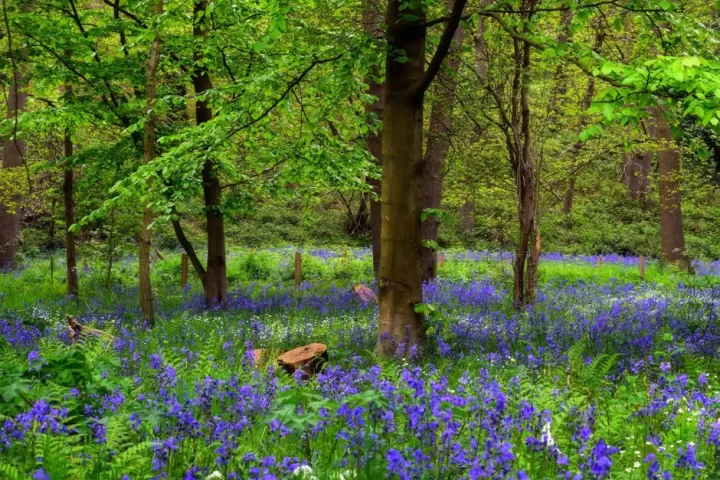
Bluebell woods near London: where to go and when they peak
Mid April to the first week of May. Woodland and old cemeteries, and one Hertfordshire wood worth the...
-
 Mon 17 August to Sun 13 September
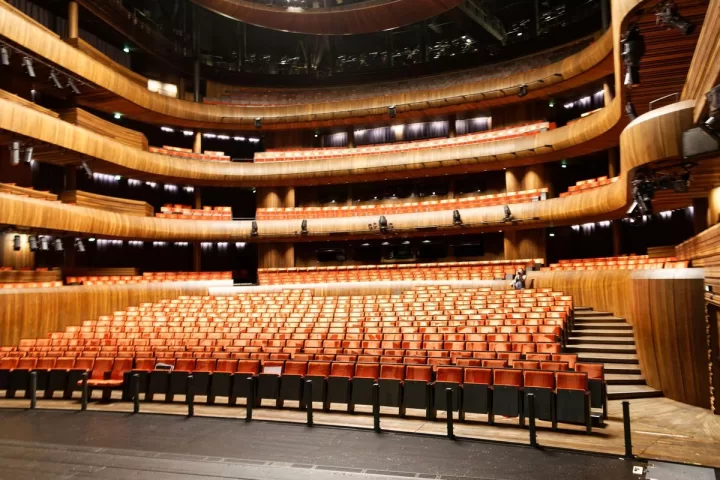
London Theatre Week: what it is and how to get the cheap seats
Tickets from £15, £25 and £35 to more than ninety London shows, twice a year. The last sale...
-
 On now
Gigs in London: the rooms, the door times, and which ones publish a price
A trophy parade in London is organised faster than almost any other public event in the city, which...
London month by month
Twelve guides, one a monthThings to do in January Things to do in February Things to do in March Things to do in April Things to do in May Things to do in June Things to do in July Things to do in August Things to do in September Things to do in October Things to do in November Things to do in December
What is on right now
All 2307 listingsThis guide is rewritten each year before the dates come round. For what is actually happening this week rather than what happens every year, the listings below are dated, checked against the venue and carry the venue's own link.
Next up
-
Sport Free
Dogs on Hampstead Heath
-
Exhibitions Free
Free entry: Westminster Cathedral



Or pick a part of town
Soho Covent Garden Camden Islington Bloomsbury Shoreditch Dalston Greenwich Battersea Fitzrovia
Questions people ask
When do London victory parades happen after a win?
Usually within a few days, often on the first available weekend or the Monday after. The confirmed route and timings are typically published only 24 to 72 hours beforehand.
Where do I find the route of a London trophy parade?
The local council's road closure notice is usually the first place the exact street-by-street route appears, ahead of the club's own announcement. Transport for London publishes the station closures.
Where is the best place to stand at a victory parade?
Halfway along the route rather than at the finish, where the crowd is deepest. The outside of a bend is best, because the bus slows to turn. Height matters more than being a row further forward.
How early should I arrive for a victory parade?
At least two hours for a front-row spot, three at a corner. Crowds build far earlier than the published start time.
Do you need a ticket for a London victory parade?
No. The street sections are free and unticketed, and anyone selling a ticket to stand on a pavement is selling nothing. Stage areas at the finish are occasionally wristbanded by the club, free, through official channels.
Will the Tube be running during a parade?
Stations on the route often go exit-only, entry-only or close entirely at short notice. Plan to walk fifteen to twenty minutes to a station off the route.
Every listing on this page is checked against the venue's own page and the page is rewritten each year, usually six to eight weeks before the dates. Times and prices can change on the night; the venue link on each event is the one to trust. How we choose what goes in.