Guides Guide Any time Updated 9 Sep 2026
London parakeets: where to see them, and where they came from
London has wild parrots. What they actually are, the best places to see them, and why every story about how they got here is probably untrue.

There are parrots living wild in London, in numbers, all year round. People who have lived here for decades still stop dead when a flock of forty screeches over a park. They are not escapees from last week. They are established, breeding and, by now, thoroughly Londoner.
What they actually are
Ring-necked parakeets, Psittacula krameri, and per the RSPB they are the UK’s only naturalised parrot. Medium-sized at 38 to 42cm including the tail, bright green, with a red beak and a pink and black ring around the face and neck on the males.
In flight they are unmistakable once you know: pointed wings, very long tail, and a straight, fast, steady line rather than the dipping flight of most British birds. You will usually hear them first. The call is a loud, harsh screech and it carries.
They eat fruit, berries, nuts and seeds, which is why they are so at home in London: the city is full of ornamental trees, garden feeders and orchards gone feral. They gather in flocks that can reach hundreds at a roost site, and a roost at dusk is genuinely one of the odder sights in the city.
Where to see them
South-west and west London is the stronghold. Richmond Park is the reliable one, particularly around the car parks and the older trees, and the birds there are notoriously willing to come to a hand holding food. Kew, Bushy Park and Wimbledon Common all hold good numbers.
Central London has them too. Hyde Park and Kensington Gardens, particularly around the Italian Gardens and the older plane trees, and Battersea Park. East and south, Greenwich Park is the dependable one.
Best time is early morning or the hour before dusk, when they move between feeding grounds and roost. Winter is easier than summer, because bare trees hide nothing and the flocks are larger.
Where they came from, and why nobody knows
Three stories get repeated as fact and none of them is proven.
The first is that Jimi Hendrix released a breeding pair in Carnaby Street in the 1960s. The second is that they escaped from the set of The African Queen at Shepperton Studios. The third is that an aviary was damaged in the great storm of 1987 and the birds got out.
They are good stories and they are told constantly, including by people who should know better. The likeliest explanation is much duller: decades of small escapes and deliberate releases from the pet trade, accumulating until a population reached the size where it could sustain itself. No single dramatic event required.
Are they a problem
It depends who you ask, and it is genuinely contested rather than settled. They compete for nest holes with native hole-nesting birds, and they can strip fruit crops. Against that, they have been here for decades without an obvious collapse in the species they supposedly displace. The RSPB lists their UK conservation status as not assessed.
What is not in doubt is that they are here to stay, and that a green parrot in a London plane tree remains one of the best free things the city offers.
More free London outdoors
Free things to do in London has the full list, London walks covers the routes, and stargazing is the after-dark version of standing in a park looking upwards.
What is coming up
All guides-
 On now
Activity bars in London: darts, shuffleboard, mini golf and bingo
Competitive socialising, which is the industry's word for a bar with a game in it. What each one...
-
 On now
Afternoon tea in London: the prices, the sittings, and the one that runs into the evening
The Ritz serves it at half past seven at night. What the grand rooms charge, and which of...
-
 On now
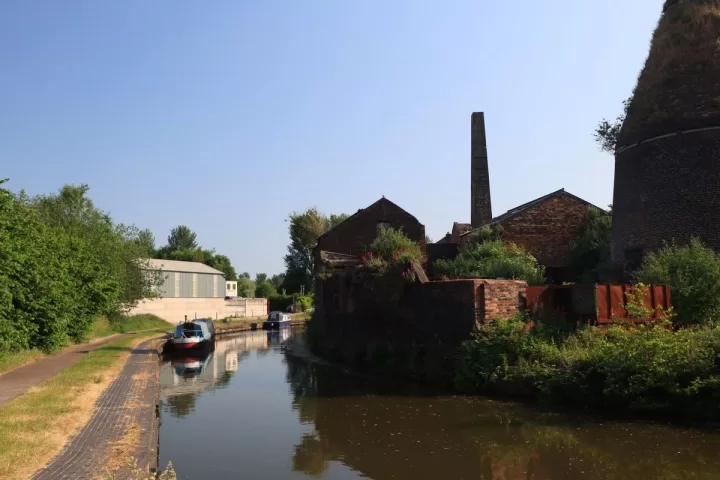
London walks: the long routes, the canal, and the ones you can do after work
The waymarked routes that ring the city, the towpaths that cut through it, and how far each one...
-
 Mon 2 November to Mon 4 January
London Christmas markets 2026: dates and the ones worth going to
Southbank, Covent Garden, Leicester Square, London Bridge, Kingston and Greenwich, with opening dates as they confirm and the...
-
 Mon 12 April to Mon 10 May
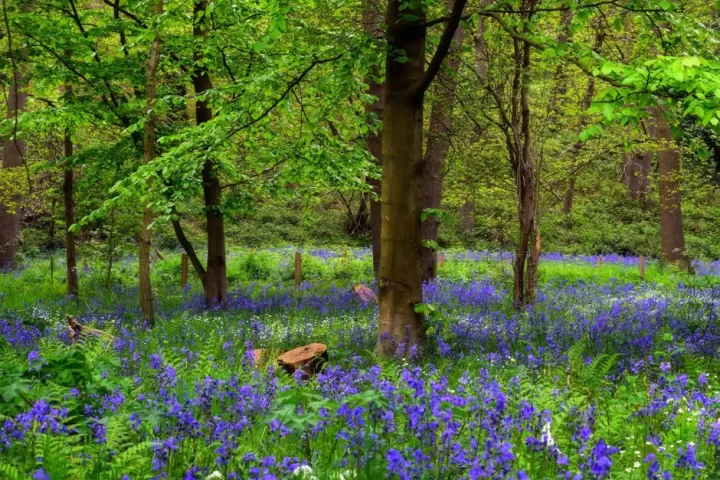
Bluebell woods near London: where to go and when they peak
Mid April to the first week of May. Woodland and old cemeteries, and one Hertfordshire wood worth the...
-
 Tue 1 to Wed 30 September
Totally Thames 2026: a month on the river, and what is still to come
The whole of September, along the length of the river. What it is, who runs it, and the...
London month by month
Twelve guides, one a monthThings to do in January Things to do in February Things to do in March Things to do in April Things to do in May Things to do in June Things to do in July Things to do in August Things to do in September Things to do in October Things to do in November Things to do in December
What is on right now
All 2189 listingsThis guide is rewritten each year before the dates come round. For what is actually happening this week rather than what happens every year, the listings below are dated, checked against the venue and carry the venue's own link.
Next up


Or pick a part of town
Soho Covent Garden Islington Bloomsbury Camden Shoreditch Dalston Battersea Fitzrovia Crouch End
Questions people ask
Why are there parakeets in London?
Nobody knows for certain. The stories about Jimi Hendrix releasing a pair in Carnaby Street, escapes from the set of The African Queen, and an aviary broken open in the 1987 storm are all repeated as fact and none is proven. The likeliest explanation is decades of small escapes and releases from the pet trade adding up to a self-sustaining population.
What kind of parrots live wild in London?
Ring-necked parakeets, Psittacula krameri, which the RSPB describes as the UK's only naturalised parrot. They are 38 to 42cm long including the tail, bright green with a red beak, and the males have a pink and black ring around the neck.
Where is the best place to see parakeets in London?
Richmond Park is the most reliable, along with Kew, Bushy Park and Wimbledon Common in the south-west. In central London try Hyde Park and Kensington Gardens or Battersea Park, and in the south-east, Greenwich Park. Early morning or the hour before dusk is best, and winter is easier than summer.
Are London's parakeets a problem?
It is contested rather than settled. They compete with native hole-nesting birds for nest sites and can strip fruit, but they have been established for decades without an obvious collapse in the species they are said to displace. The RSPB lists their UK conservation status as not assessed.
This guide is rewritten rather than refreshed, and everything named in it is checked against the venue's own page. Times and prices change; where a listing links to a venue, that link is the one to trust. How we choose what goes in.