Guides Stargazing 2026 Any time Updated 28 Aug 2026
Stargazing in London: meteor showers, dark spots and where to actually look
The Perseids, the Geminids and the rest, plus the handful of places inside London where you can genuinely see something.
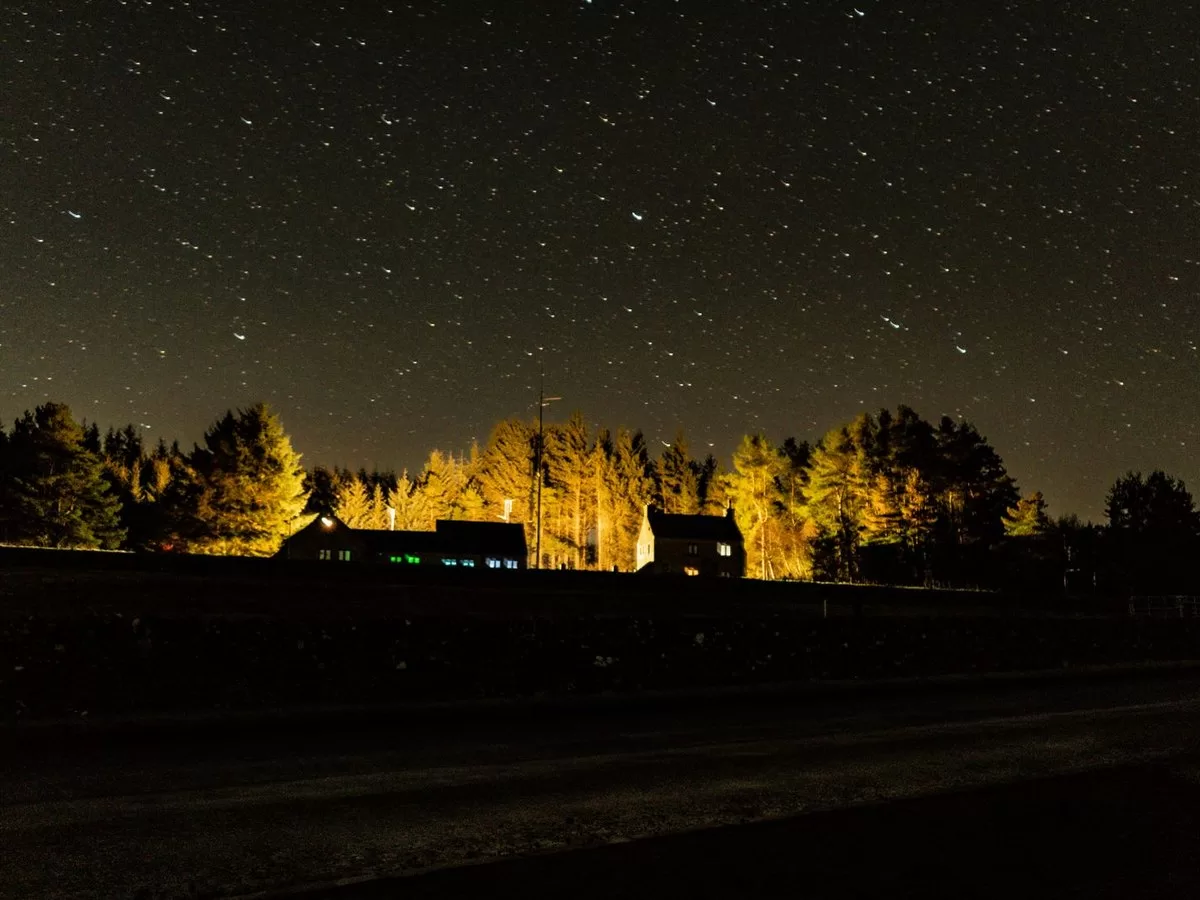
London is a bad place to look at the sky and a surprisingly good place to learn to. The light pollution removes most of the stars but not the bright meteors, the planets or the Moon, and there are a few corners of the city dark enough to be worth the journey.
The meteor showers worth staying up for
The Perseids, peaking around 12 to 13 August. The best-known and the most comfortable, because it is August and you can lie on the grass without freezing. Under a London sky you might see a handful an hour rather than the sixty quoted for dark rural skies, but the Perseids produce bright fireballs that survive the light pollution.
The Geminids, peaking around 13 to 14 December. Astronomically the better shower, reliably richer than the Perseids, and it happens in December, which is why fewer people bother. Dress properly and it is the best night of the year for this.
The Quadrantids in early January and the Lyrids in late April are the other two worth a look. The Orionids in October are modest but the radiant is easy to find.
The one variable that beats everything is the Moon. A shower peaking near a full Moon is largely wiped out regardless of where you stand, and a peak near a new Moon is worth travelling for. Check the Moon phase before the shower date.
Where to go inside London
Hampstead Heath, and specifically the open ground around Parliament Hill and the higher fields, is the best combination of dark and reachable. It is high, it is large enough to get away from street lighting, and the northern sky is the darker half.
Richmond Park is the darkest large space in London, though it closes to vehicles overnight and gates at dusk in winter, so check access before planning a night there.
Wanstead Flats and the edges of Epping Forest in the north east are genuinely dark by London standards and the easiest place to escape the glow without leaving the city.
The rule everywhere: put the city behind you. Face north or east from central London and you are looking away from the worst of the light dome.
The organised version, which is better
The Royal Observatory Greenwich runs planetarium shows and astronomy evenings, and its astronomy society holds public observing sessions. It is the obvious place to start and the telescopes are better than yours.
The Baker Street Irregular Astronomers meet in Regent’s Park on clear evenings and welcome anyone who turns up, telescope or not. It is free, it is friendly, and looking through someone else’s instrument is the fastest way to find out whether you care about this.
What you can actually see from London
The Moon, in detail, with any binoculars at all. Jupiter and its four bright moons, again with binoculars. Saturn’s rings with a modest telescope. Venus, Mars and the brighter stars. The International Space Station, which is the brightest thing that moves and passes over predictably.
What you will not see: the Milky Way, faint galaxies, or most of the constellations as drawn. For those you need to leave, and the nearest genuinely dark skies are the South Downs and the Kent and Sussex weald, an hour or so out. Our day trips guide covers getting there.
Three practical things
Give your eyes twenty minutes to adapt and do not look at your phone during it, or you start again. Red light preserves night vision; white light destroys it.
Lie down. Meteor watching standing up is neck pain with occasional astronomy. Take something waterproof to lie on.
Go after midnight. The rate climbs through the small hours for almost every shower, and London’s light pollution drops a little once the commercial lighting goes off.
Stargazing: what is on
Wed 18 November to Thu 31 DecemberWednesday
18 November-
Free
Stargazing on Hampstead Heath
As dark as central London gets, which is not very, but Parliament Hill has the horizon and the local society runs public evenings on the hill through the winter. Take a torch and a coat.

What is coming up
All guides-
 On now
Activity bars in London: darts, shuffleboard, mini golf and bingo
Competitive socialising, which is the industry's word for a bar with a game in it. What each one...
-
 On now
Afternoon tea in London: the prices, the sittings, and the one that runs into the evening
The Ritz serves it at half past seven at night. What the grand rooms charge, and which of...
-
 On now
Free things to do in London with kids: the honest list
Free things to do in London with kids that are actually free, actually good, and do not turn...
-
 On now
Weekend trips from London by train: where to go for one night
Places worth an overnight rather than a day out, with the real journey times and which are worth...
-
 Sat 20 March to Fri 30 April
Where to see cherry blossom in London: the spots and roughly when
Late March into April, and over quickly. Greenwich, Kew, Regent's Park, the Kyoto Garden, and the Notting Hill...
-
 Sat 18 to Sun 26 September
London Design Festival 2027: 18 to 26 September, and most of it is free
18 to 26 September 2027, the twenty fifth anniversary edition. Installations across the city, most of them free...
London month by month
Twelve guides, one a monthThings to do in January Things to do in February Things to do in March Things to do in April Things to do in May Things to do in June Things to do in July Things to do in August Things to do in September Things to do in October Things to do in November Things to do in December
What is on right now
All 2294 listingsThis guide is rewritten each year before the dates come round. For what is actually happening this week rather than what happens every year, the listings below are dated, checked against the venue and carry the venue's own link.
Next up
-
Sport Free
Dogs on Hampstead Heath
-
Exhibitions Free
Free entry: Westminster Cathedral

Or pick a part of town
Soho Covent Garden Islington Camden Bloomsbury Shoreditch Dalston Battersea Greenwich Fitzrovia
Questions people ask
When is the Perseid meteor shower in the UK?
It peaks around 12 to 13 August each year. From London you might see a handful an hour rather than the sixty quoted for dark rural skies, but the Perseids produce bright fireballs that survive light pollution.
What is the best meteor shower to watch from London?
The Geminids, peaking around 13 to 14 December, are astronomically richer than the Perseids. They happen in December, which is why fewer people watch them. The Moon phase matters more than the shower: a peak near a full Moon is largely wiped out.
Where can you stargaze in London?
Hampstead Heath around Parliament Hill, Richmond Park, which is the darkest large space in London, and Wanstead Flats on the edge of Epping Forest. Face north or east to look away from the central London light dome.
Can you see the Milky Way from London?
No. Light pollution removes it entirely. The nearest genuinely dark skies are the South Downs and the Kent and Sussex weald, about an hour out.
Are there free astronomy groups in London?
Yes. The Baker Street Irregular Astronomers meet in Regent's Park on clear evenings and welcome anyone, with or without a telescope. The Royal Observatory Greenwich runs planetarium shows and public observing.
What can you actually see in the sky from London?
The Moon in detail, Jupiter and its four bright moons with binoculars, Saturn's rings with a small telescope, Venus, Mars, the brighter stars, and the International Space Station.
Every listing on this page is checked against the venue's own page and the page is rewritten each year, usually six to eight weeks before the dates. Times and prices can change on the night; the venue link on each event is the one to trust. How we choose what goes in.